Overview
The landing page served as a key entry point for paid traffic, but early performance suggested users were not engaging deeply with the content.
Initial designs assumed that users were already committed, but research showed most visitors needed to quickly understand where they were, why it mattered, and whether they could trust the offering.
The Problem
The experience created friction early in the journey:
- Content assumed high intent too quickly
- Key value and differentiation were introduced too late
- Messaging lacked clarity and transparency
- Users were leaving before reaching critical decision points
This resulted in low scroll depth and limited engagement with the primary CTA
Understanding the User
Through user interviews and analysis of Google Ads traffic, we understood things more clearly:
- Users needed immediate confirmation they were in the right place
- Trust and transparency were critical to decision-making
- Visitors were cautious and wanted to avoid feeling misled
- Confidence had to be built before asking for action
This shifted the focus from pushing conversion to guiding users toward it.
Approach
Our team focused on restructuring the experience to support how users naturally evaluate and move through the page:
- Designed a more guided flow between sections
- Improved scalability to help users quickly find relevant information
- Adjusted messaging to emphasize transparency, proof and clarity
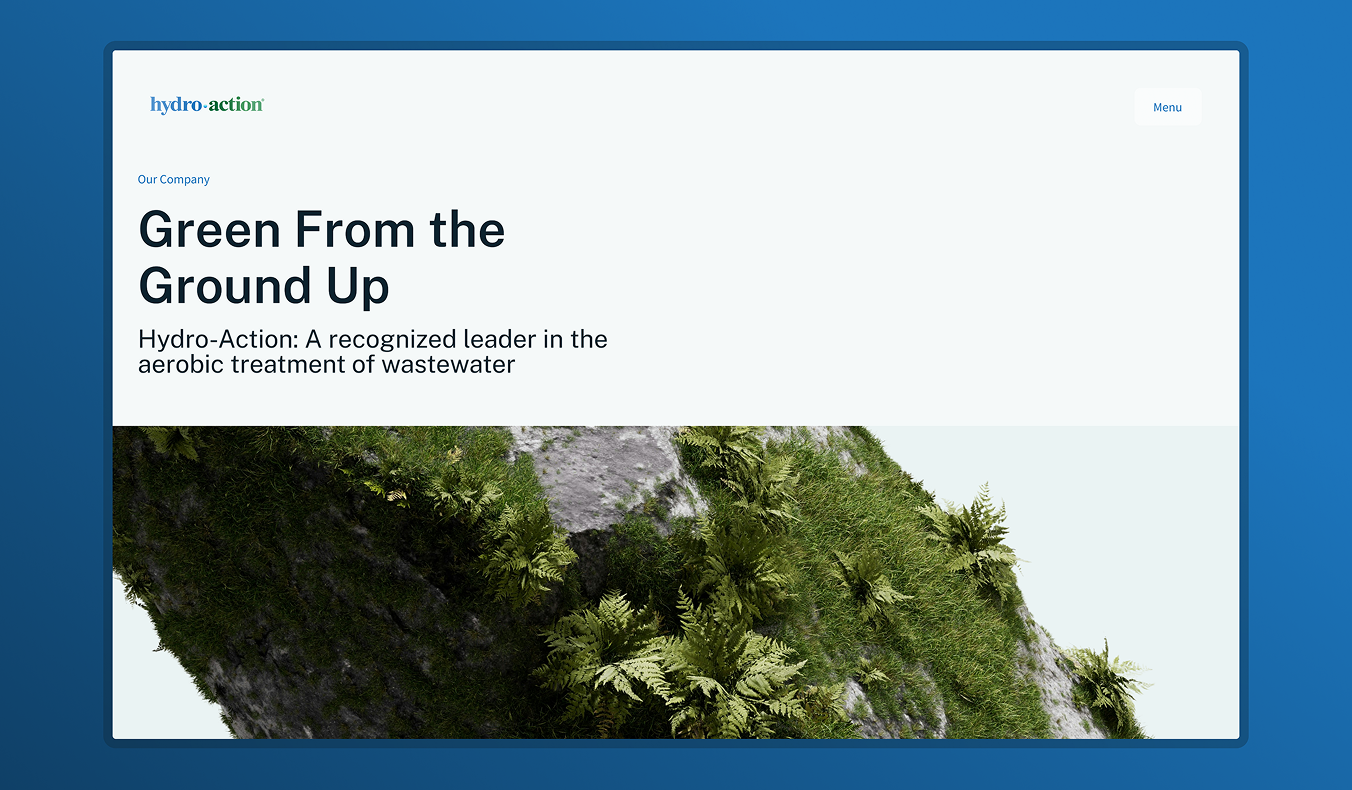
- Introduced visual elements to better communicate the process and value
The goal was to reduce friction while building confidence section by section.
Solution
- Reorganized content to create a clearer progression through the page
- Introduced guided CTAs and section transitions to maintain momentum
- Added collapsable sections to reduce overwhelm while keeping information accessible
- Designed visual components to illustrate the system and process
- Refined messaging to focus on trust, clarity and results
Each change was aimed at helping users move forward with greater confidence.
Outcome
- Increased scroll depth to the primary CTA by 57.1% (from 28.6% to 85.7%) within four weeks
- Increased average time on page from 1:14 to 2:11, indicating deeper engagement
- Reduced bounce rate from 54.5% to 40.0%, suggesting improved initial clarity and relevance
- Led to first recorded conversion from the landing page
- Created a clearer, more guided user journey
Reflection
Shifting from a conversion-first approach to a user-guided experience significantly improved engagement.
By focusing on clarity, trust, and progression, the page became more aligned with how users actually evaluate decisions, resulting in stronger interaction and a more effective path to conversion.

.webp)
.webp)
.webp)

.webp)