Client:
Internal
Role:
UX/UI Design & Development
2025

Removing the Bottleneck

Our workflow for creating new pages required coordination across multiple roles, slowing down production and limiting flexibility. By introducing a structured page builder built on an existing design system, I enabled marketers to create pages independently while maintaining consistency and control.

Overview

Any time a need for an update came in, our workflow became a bottleneck. Requests from clients or internal marketing team members required multiple handoffs, first through strategy, then through content, design and finally development, before anything could go live.

This slowed down production and made it difficult to respond quickly to new opportunities.

The Problem

Our process depended heavily on specialized roles:


  • Marketers relied on designers to create layouts
  • Designers relied on developers to build them
  • Each request moved sequentially through the team, stopping for quality control checks.


Even simple updates require coordination, making it difficult to move quickly or test new ideas

Rethinking the Approach

Instead of optimizing each step individually, I focused on reducing the dependency between them.

The goal was to create a system where:


  • Pages could be created without full design and development cycles
  • Flexibility existed without compromising consistency
  • Teams could move faster within defined constraints.

Building the Page Builder

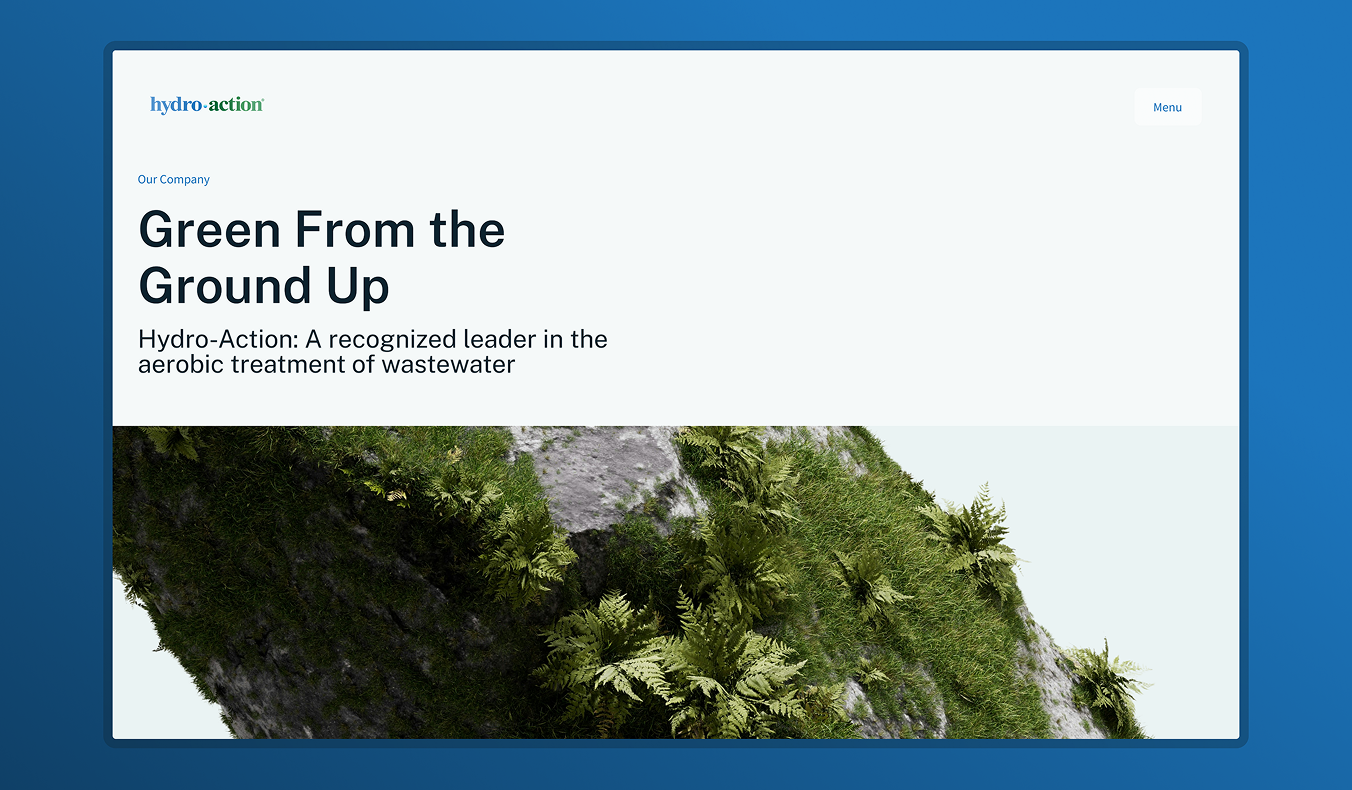
Using our existing design system in Webflow, I created a structured page builder that balanced flexibility with control.


  • Designed a base landing page for a specific vertical
  • Identified and created reusable section components with variants to allow controlled customization
  • Built a page template that combined predefined sections with flexible content areas
  • Ensured all components followed the established design system

This allowed pages to be assembled rather than designed and developed from scratch.

Solution

The final system enabled multiple teams to work more independently:

  • Marketers could create and update landing pages without waiting on design and development
  • Designers maintained consistency through predefined components and structure
  • Developers were no longer required for routine page creation

The system introduced flexibility, but within clear guardrails ensuring quality and consistency across every page.

Outcome

  • Reduced dependency between teams and eliminated common bottlenecks
  • Enabled faster creation of landing pages for new verticals
  • Increased autonomy for marketing teams
  • Maintained consistency through reusable components and templates
  • Created a scalable system for ongoing content production

Reflection

By shifting from a handoff-based workflow to a system-driven approach, we were able to move faster without sacrificing quality.

This approach not only improved efficiency, but also created a more reliable way to scale landing pages as needs continued to grow.

Awards & Recognition
No items found.